Too much information, and not enough
I’m inundated with information.
I spend my days trying to process it all.
Email flows like a river that never ceases.
As it backs up, I feel like I’m drowning, or buried under an avalanche.
On my phone, simultaneous conversations lurch forward in different places,
as if in different rooms of my house.
Teachers, principals, and PTAs send daily messages and weekly newsletters.
Important information and irrelevant information comingle.
Two kids, two schools, two carpools,
two spreadsheets, two group chats
so that we can remember who’s picking up our children today.
(As with language, it’s not hard to learn the pattern, but there are lots of exceptions.)
So much clutter and noise,
but if I stop paying attention I’ll miss something important.
And there are tasks to complete.
The news brings information from around the globe,
too much suffering to process.
Newsletters from organizations I admire provide hope and calls to action
and links to a thousand other sources of information.
Friends text me about podcast episodes they think I’d like.
But my brain is full and I tire of hearing people talk.
How do people survive social media?
Not just a torrent but an ocean dumped on you?
I’ve never even dared to dip my toes in.
In children’s books, “portals” and “passwords” led to exciting new worlds.
Now they lead to bills and test results.
Take me to Narnia, or Ali Baba’s cave,
or find new words that promise less.
The “Age of Information.”
That sounds nice.
Doesn’t information help us?
Doesn’t it connect us?
But the information economy benefits its creators most of all.
Corporations mine our data, frack our attention,
extract ever more from us and from the earth to increase their profits and political power.
They say all this information resides “in the cloud.”
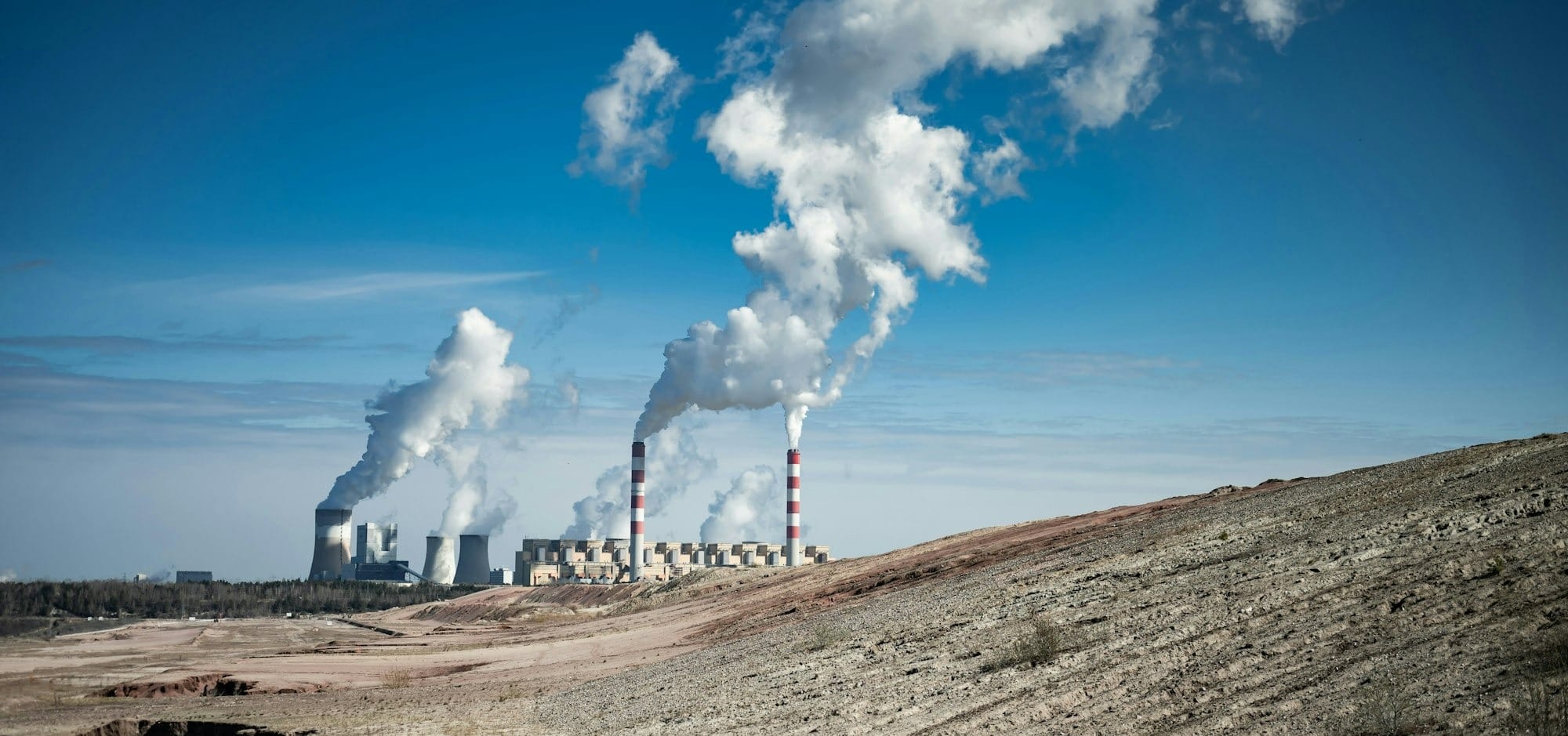
But the cloud is on the ground,
in data centers that guzzle water and electricity and pollute communities.
The information requires infrastructure:
oil wells and hydraulic fracking operations,
factories and refineries,
pipelines, power stations, and transmission lines.
Mountaintops are blown up
so that information can reach me.
Meanwhile, new mountains of electronic waste rise.
I’m glad people are pushing back:
attention activists and data center protestors.
Maybe it’s time for more radical resistance.
On my bookshelf, a title beckons: How to Blow Up a Pipeline.
Too much information, and yet too little.
I thirst for more unmediated information,
intelligence that is organic, not artificial.
Let me turn inward.
What can I learn from my rage, my yearning?
If I am quiet, can I hear Spirit whisper?
Let me turn to my community
to share information face to face.
Let us tell stories and sing songs
to pass along the knowledge of our ancestors.
I want to read the great text of the cosmos,
gleaning information from earth and sky.
Foolish were we, industrial urbanites, to give up literacy in nature.
I honor Polynesian sailors
whose knowledge of ocean swells, stars, and birds
helped them navigate vast ocean expanses.
I honor Ancestral Puebloan people
who constructed great houses, petroglyphs, and roads in Chaco Canyon
to mark cardinal directions and solar and lunar cycles.
I honor freedom seekers along the Underground Railroad
who relied on their botanical knowledge and read secret signs
to survive a long journey through a hostile land.
Oh, to depend upon my body, my people,
earth, sea, and sky
for information!
I long to live in that direct way,
to be free from corporate intermediaries.
But the truth is I need carpool spreadsheets more than I need celestial navigation.
I’m not a sailor or farmer or forager.
I live in a digital industrial world.
So what do I do with my longing?
Could I go back to the land,
leave industrial capitalism behind?
I’m afraid and unprepared.
Let us find our way together,
take part in a Great Turning,
a collective return to the earth, to our true selves.
Let there be death doulas and midwives
to help us transition from one world to another,
to let go, to have faith.
And if we do not change,
the Great Conflagration will bring this world to an end.
Industrial capitalism cannot endure.
However the change comes,
we will need literate companions.
I have more faith in the old information economy than the new one.
Ocean swells and lunar cycles will outlast fossil-fuel machines.
If we survive,
we will once again rely on interior wisdom.
We will decipher the heavens and earth.
We will sing and tell stories.
For now, if I cannot follow the stars,
let me follow my longing,
practice letting go,
and take one step at a time toward home.
Postscripts
Orwell feared those who would deprive us of information. Huxley feared those who would give us so much that we would be reduced to passivity and egoism. Orwell feared that the truth would be concealed from us. Huxley feared the truth would be drowned in a sea of irrelevance.
—Neil Postman, contrasting Nineteen Eighty-Four by George Orwell and Brave New World by Aldous Huxley, Amusing Ourselves to Death
[G]etting in touch with the deepest longings of our hearts is essential if we are to see their realization in our lives and world…. It helps bring about the birth of something new. Our spiritual yearnings are like seeds of new life. To be alert to them together, to name them and nurture them, helps them grow and unfold in ways we may not yet even have imagined.
—John Philip Newell, drawing on the work of Simone Weil, The Great Search